
Town of Monroe Neighbors: Block Coverage
Public sources describe land, municipal boundaries, public registration rules, and civic institutions around an address. They do not produce a complete list of neighbors. Start with the parcel boundary and retain only facts that the source actually prints.
| Source | What It Shows About a Block | Access |
|---|---|---|
| USPS and County GIS | Address normalization, map-selected parcel setting, and surrounding parcel results | Official postal and county map tools |
| County parcel and assessment record | Parcel, situs, assessment owner mailing line, class, acreage, assessment, and districts | Free public county search and Town roll |
| Orange County Clerk | Recorded deed event and legal-description trail | Clerk, mail, e-recording, or recorded-document process |
| Election records | Registration lookup or supervised inspection under state rules | Voter lookup and FOIL process |
| Civic sources | Fire district, historic, and member-business context | Organization or Town sources |
An owner record is not an occupant record. A parcel mailing address is not proof of a home address, and no block result establishes relationships, routines, or a legal boundary. Those limits are especially important when looking for Town of Monroe neighbors near the Village of Monroe or Village of Harriman.
Start a Town of Monroe Block With an Address
First standardize the street address with a postal lookup, then use the Orange County GIS or parcel search to select the location on the map. The County’s parcel page says its free search can be run by owner, address, tax map number, or municipality. A map-selected result is more reliable than a text-only match when a road, place name, or mailing line crosses a Town or village context.
Town of Monroe contains the Village of Monroe and the Village of Harriman. Town Hall examples use 10950, while Harriman Village Hall examples use 10926. Postal geography is not a municipal boundary, so retain the municipality field shown in the record. This prevents a Town of Monroe neighbors search from sending an address to the wrong clerk, tax bill, or court route.
Map a Town of Monroe Block Parcel by Parcel
Use a small, documented radius rather than a whole-street list. The objective is parcel context around one address, not a conclusion about who is present there.
- Enter the normalized address into the official address or parcel tool and select the matching parcel on the map.
- Record its tax map number, situs, municipality, and map position before selecting adjacent results or a modest map buffer.
- Open each surrounding public parcel result and retain only its printed parcel, situs, owner mailing line, class, acres, assessment, district, and deed clue.
- Use the Orange County Clerk only when a recorded title event is needed, carrying forward the legal description and recorded reference.
- For an entire named road rather than an immediate block, continue through the Town of Monroe street directory approach.
The GIS display is a research aid and its scale is not a legal survey. A nearby polygon can show geographic adjacency, but it cannot settle a contested line. Keep a map note separate from a legal description in a deed or survey.
Town of Monroe Block Assessment Fields
The Town’s 2026 final assessment roll makes a useful block inventory because it prints a tax-map parcel number, property location, class, current owner name, current owner address, school district, parcel size or grid coordinate, land and total assessment, exemptions, and deed-reference fields. It also contains village, county, Town, school, and special-district context. These printed fields are more useful than a guessed household list.
Read the property location and owner mailing address as different fields. The roll is an assessment record dated for its cycle, not proof of present title or occupancy. The Assessor values property and administers exemptions; the Orange County Clerk is the source for a recorded deed. A Town tax bill can also differ from Village and school bills, so a district label is a clue to jurisdiction rather than a statement about who resides on the block.
| Printed field | Careful reading | Do not infer |
|---|---|---|
| Property location or situs | Location used for the assessment parcel | Current occupant or delivery recipient |
| Current owner and mailing address | Assessment-owner and correspondence context | Current deed status or residence |
| Class, acres, assessment, district | Land and taxing-context information | Private household characteristics or routines |
| Deed reference | A lead for Clerk verification | A complete title opinion or boundary determination |
Town of Monroe Deed Clues Need County Confirmation
When a parcel result gives a deed book and page or another recorded-reference clue, take that reference to the Orange County Clerk rather than treating the assessment roll as the deed itself. The County recording guide supports in-person service, mail, and e-recording and directs record questions to the Clerk’s receiving and recording process. Its guidance calls for Town and section, block, and lot information where applicable, and the County does not make a title-quality representation.
A recorded deed can show a grantor, grantee, recording date, legal description, and instrument details. It documents a title event, not a current neighbor’s presence. The current assessment roll and a deed have different dates and purposes, so preserve both dates when comparing them. This narrower practice also avoids inventing a boundary where only a map display or mailing address is available.
Town of Monroe Voter Records Are Supervised
New York’s voter lookup is a registration and poll-site tool that uses county, name, date of birth, ZIP, and address inputs. It is not a block roster. Public inspection of registration records under Election Law §3-220 is supervised, and certain fields are excluded, including driver-license numbers, DMV non-driver photo-ID numbers, Social Security numbers, and facsimiles.
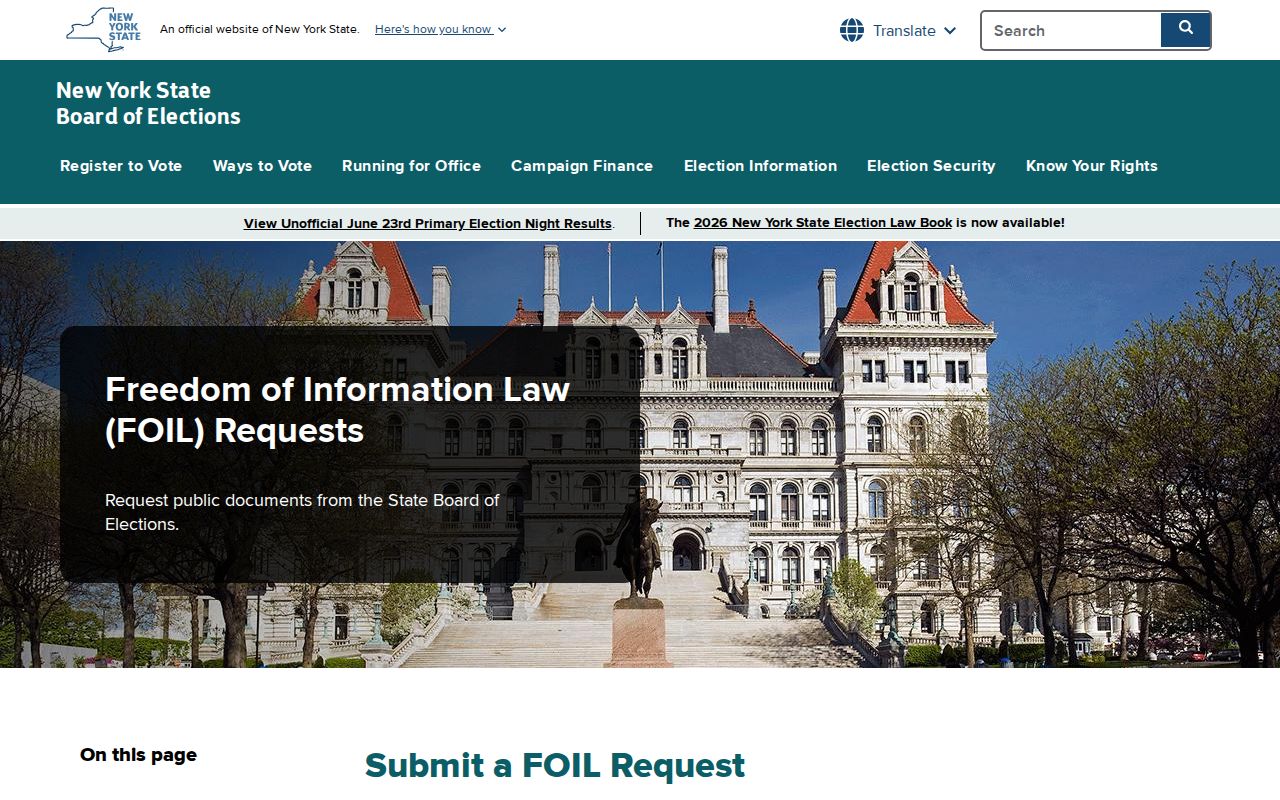
A voter-file request goes through the State Board of Elections FOIL process with an election-purpose statement. The agency describes a comma-delimited ASCII file delivered as a zipped file with an accompanying layout. Protected and confidential records remain outside the public file. A registration result should not be used to infer an individual’s schedule, household, or relationship to nearby parcels.
Town of Monroe Civic Routes, Not Neighbor Lists
No official comprehensive neighborhood-association directory was found for Town of Monroe. That gap should remain visible rather than being filled with unofficial names. The verified civic routes below can provide public community context, but none is a roster of everyone living on a block.
| Organization | Verified connection | How it helps |
|---|---|---|
| Monroe Joint Fire District | Mombasha, Harriman Engine, and Lakeside merged into the district in 2011; 406 N Main Street; 845-395-0075 | Public safety-district and local-history context |
| Town Historian and Monroe Historical Society | The Society preserves Town and Village of Monroe and Harriman photos, artifacts, and written history | Historic-place and community-memory route |
| Greater Monroe Chamber | Public member-business directory | Commercial and civic context, not a neighbor list |
The fire district has historical importance because the Village of Monroe’s 1894 fire and volunteer fire-district history shaped local civic geography. It can explain a district reference on a roll without establishing a residence or a personal connection to any service organization.
Public-Safety Tools Are Not Block Records
State systems with public-safety purposes should stay separate from a block inventory. New York’s custody lookup uses identifiers such as DIN, NYSID, name, and birth year, and its results are not a neighborhood directory. Treat any result through the agency’s stated scope and do not turn it into an assertion about a nearby address.
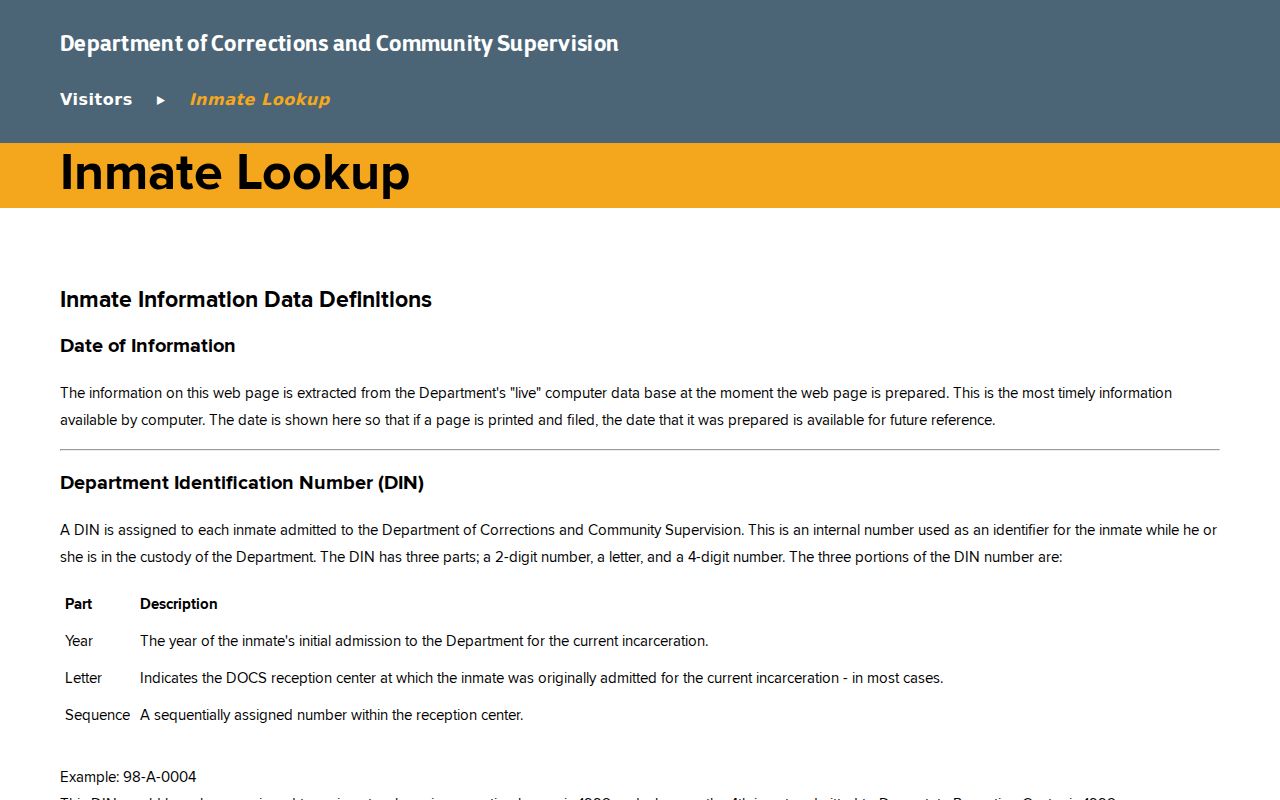
Likewise, the state public registry search has its own search choices, custody exclusions, and verification requirements. It is not evidence about a block simply because a search uses a place name or address. Follow the agency’s instructions and use official emergency or law-enforcement channels for immediate safety concerns.
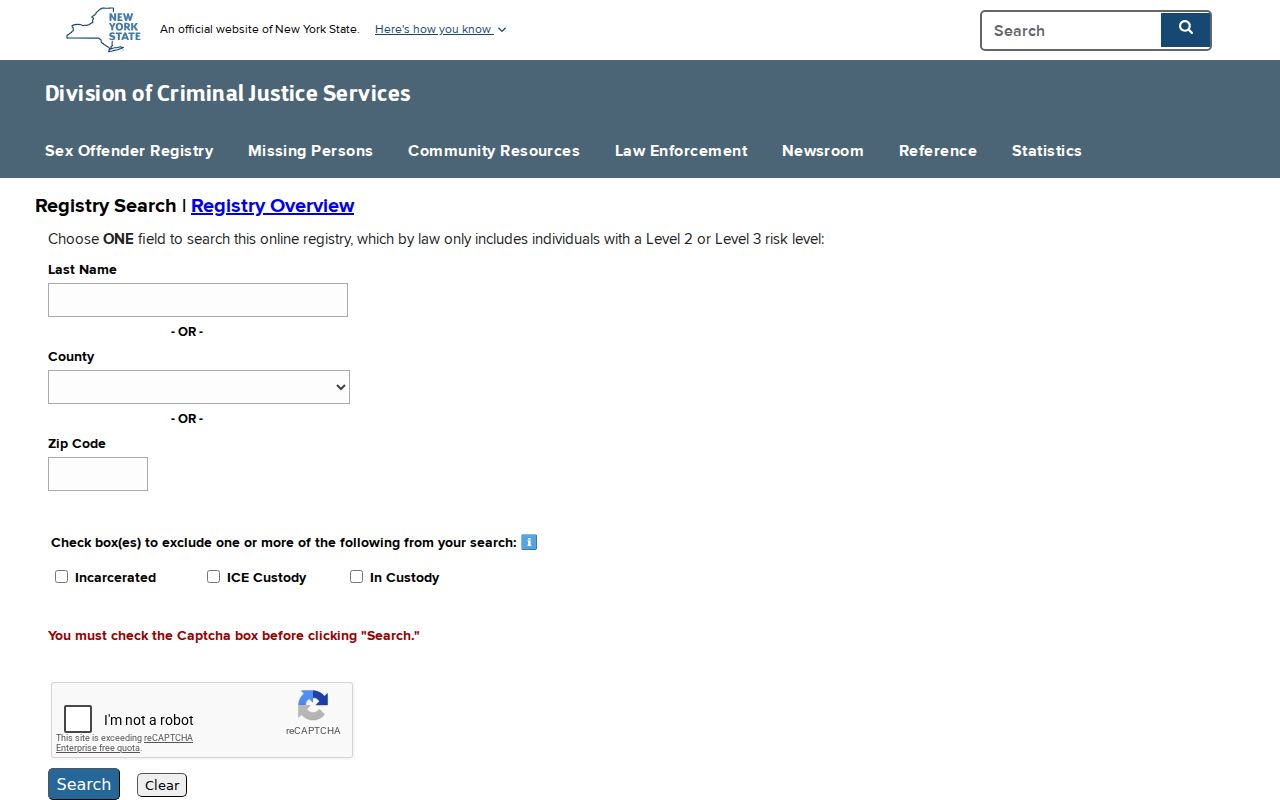
For every state public-safety result, check the issuing agency’s current notice, identity criteria, and geographic scope before relying on it. Do not merge it with parcel information to draw private conclusions about people living near an address.
Comparing Town of Monroe Block Sources
Official parcel, Clerk, election, and civic sources state their custodian, date, and access rules. They can be checked at the originating office and are constrained to a particular record purpose. Commercial neighbor-lookup categories may combine older data, inferred associations, and unverified address histories. They may be convenient leads, but their category of result should not replace a dated official record.
The most dependable comparison is source by source: map-selected parcel for location, assessment roll for the printed ownership and district fields, County Clerk instrument for a title event, and an official civic organization for its own public information. Do not join those items into a claim that one particular person is an occupant or that two people have a relationship.
Privacy Limits for Town of Monroe Neighbors
FOIL provides access to existing public agency records, not a right to have an agency create a household list or verify that someone lives at an address. New York may redact protected personal information, and the Address Confidentiality Program gives qualifying people a substitute mailing address subject to program rules. Confidential voter status creates further limits on election information.
Lawful use. Use Town of Monroe neighbors research for civic awareness, property context, local history, or reconnecting through appropriate channels. Never use public records to watch, stalk, harass, intimidate, or harm anyone.
If a public record seems inaccurate, contact the office that created it with the parcel number, source date, and other identifying reference. Do not attempt to correct a record by publishing or repeating a guess about a resident.